 Español
 English



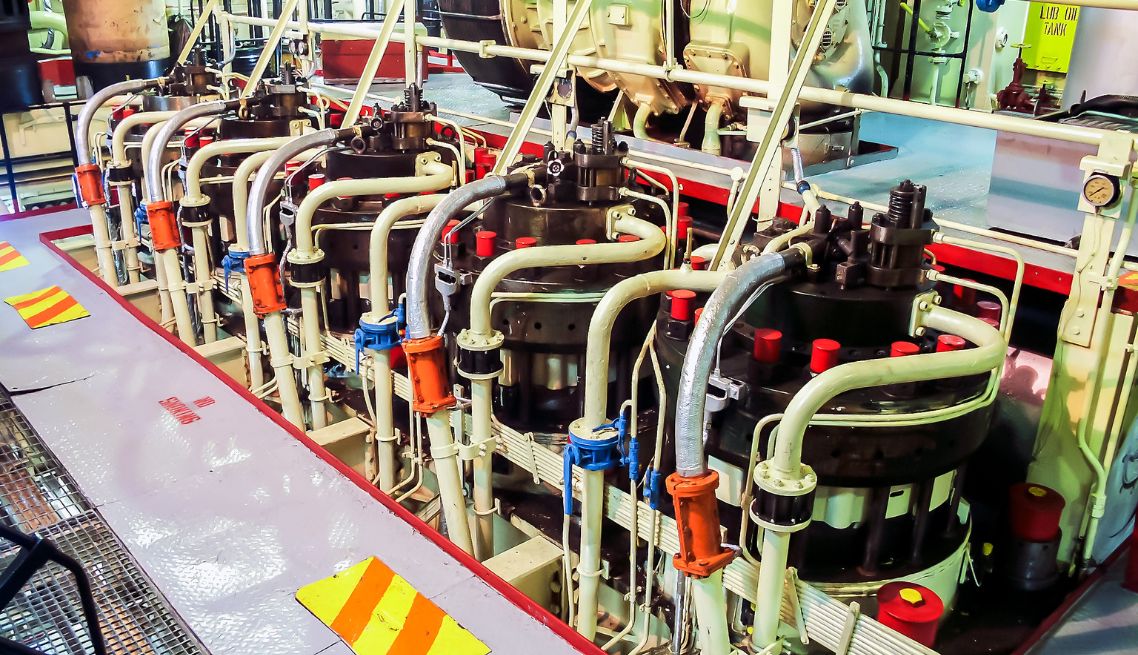
Planning fleet maintenance programs is a key factor in ensuring the operability, safety, and efficiency of vessels. At Group Mare, we offer specialized solutions in marine engine maintenance and repair, designed to extend equipment service life, reduce unexpected downtime, and optimize operating costs for commercial and industrial fleets.
Proper planning makes it possible to anticipate failures, comply with maritime regulations, and ensure maximum performance of marine diesel and auxiliary engines.
Importance of Planned Maintenance for Marine Engines
Planned maintenance is essential for fleets that operate continuously, as it prevents critical failures and improves vessel availability.
Key Benefits of a Fleet Maintenance Program
- Reduction in breakdowns and emergency repairs
- Extended service life of marine engines
- Optimization of fuel consumption
- Compliance with technical standards and maritime regulations
- Improved control of maintenance costs
At Group Mare, we analyze each fleet to design customized maintenance programs tailored to the type of operation and working conditions.
Types of Maintenance Applied to Maritime Fleets
Planning maritime fleet maintenance programs is a strategic investment that improves operational efficiency and reduces risks
Preventive Maintenance
Preventive maintenance of marine engines is based on scheduled inspections, adjustments, and component replacement before failures occur. This type of maintenance is essential to prevent major damage and ensure continuous operation.
Corrective Maintenance
Corrective maintenance is performed once a failure has occurred. Efficient planning reduces the frequency of these interventions, minimizing downtime and high costs.
Predictive Maintenance
Predictive maintenance uses operational data, measurements, and technical analysis to anticipate failures, allowing interventions at the optimal time.
Stages in Planning a Fleet Maintenance Program
Technical Evaluation of the Fleet
A comprehensive diagnosis of the condition of marine engines, auxiliary systems, and operating conditions of each vessel is carried out.
Definition of Tasks and Frequencies
Maintenance routines are established based on operating hours, manufacturer recommendations, and technical experience.
Scheduling and Control
Interventions are planned to minimize the impact on fleet operations, maintaining detailed control of activities, spare parts, and timelines.
Monitoring and Continuous Improvement
Performance analysis enables program optimization, adjusting it to the fleet’s actual needs.
You must be logged in to post a comment.