 Español
 English


Maritime operations are exposed to constant risks that may lead to economic losses, legal disputes, and operational disruptions. In this context, professional marine surveys are an essential tool to investigate events, determine technical responsibility, and support decisions based on verifiable and internationally accepted criteria.
Beyond casualty response, marine surveys play a preventive and strategic role, providing critical information for shipowners, operators, insurers, P&I Clubs, and maritime authorities.
What Are Marine Surveys?
Marine surveys are specialized technical inspections and analyses carried out to examine the condition, performance, or damage of a vessel, its cargo, or its onboard systems, with the purpose of issuing objective, documented, and independent conclusions.
These surveys are conducted by certified Marine Surveyors, who apply international regulations, classification rules, and best practices within the maritime industry.
Strategic Role of Marine Surveys
Maritime Risk Management
Marine surveys help identify:
- Recurrent technical failures
- Operational deficiencies
- Non-compliance with international regulations
This information allows operators to prevent future incidents, enhance vessel safety, and improve fleet performance.
Technical Support in Contractual Disputes
In disputes involving shipowners, charterers, shipyards, or service providers, independent marine surveys provide impartial technical evidence, which is critical for negotiations, arbitration, and legal proceedings.
Support for Marine Insurance Claims
Marine survey reports are decisive in:
- Validating insurance claims
- Supporting compensation requests
- Reducing claim resolution time
Accurate surveys help avoid disputes between insured parties and insurers.
Main Areas of Application of Marine Surveys
Marine Casualty Surveys
These surveys include investigations related to:
- Collisions and allisions
- Groundings
- Fires and explosions
- Mechanical and machinery failures
The objective is to determine root causes, extent of damage, and technical responsibility.
Condition Surveys
Condition surveys evaluate the overall technical condition of a vessel for purposes such as:
- Purchase and sale transactions
- Charter party agreements
- Fleet entry or acceptance
They provide a clear technical picture of the vessel at a specific point in time.
Cargo Surveys
Cargo surveys assess damage, loss, or contamination during maritime transport, verifying:
- Stowage conditions
- Cargo securing arrangements
- Handling and loading procedures
These surveys are essential for cargo claims and liability determination.
Methodology of a Professional Marine Survey
On-Site Technical Inspection
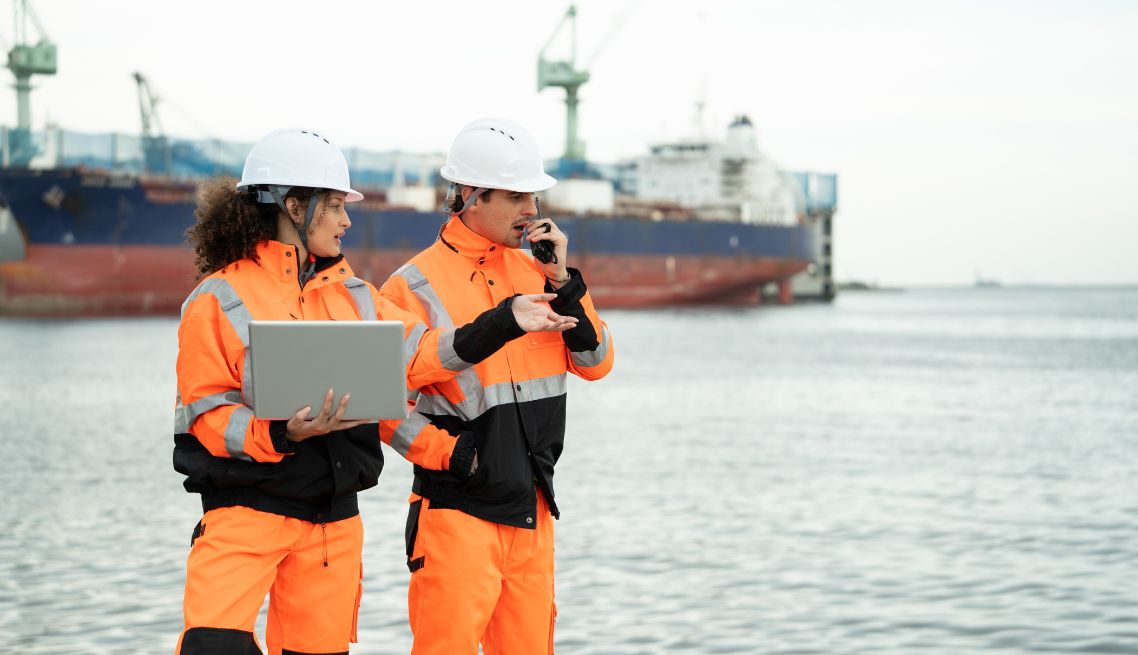
The marine surveyor conducts physical inspections of:
- Hull and structural components
- Main and auxiliary machinery
- Electrical, navigation, and safety systems
Documentation and Regulatory Review
The survey includes the review of:
- Class and flag certificates
- Maintenance and repair records
- Logbooks and operational reports
- Compliance with IMO, SOLAS, and MARPOL requirements
Preparation of the Marine Survey Report
The final marine survey report includes:
- Technical description of the event or condition
- Detailed findings and analysis
- Well-supported conclusions
- Technical and operational recommendations
This report may be used for insurance, contractual, or legal purposes.
Benefits of a Professional Marine Survey
- Technical evidence with legal validity
- Reduction of financial and operational risks
- Informed decision-making
- Greater transparency in maritime processes
A properly conducted marine survey protects both assets and professional reputation.
Difference Between a Marine Survey and a Marine Inspection
Although closely related, these services serve different purposes:
- Marine Survey: investigates facts, causes, damage, and responsibility
- Marine Inspection: verifies technical condition and regulatory compliance
Both services complement each other within an integrated maritime management system.