 Español
 English



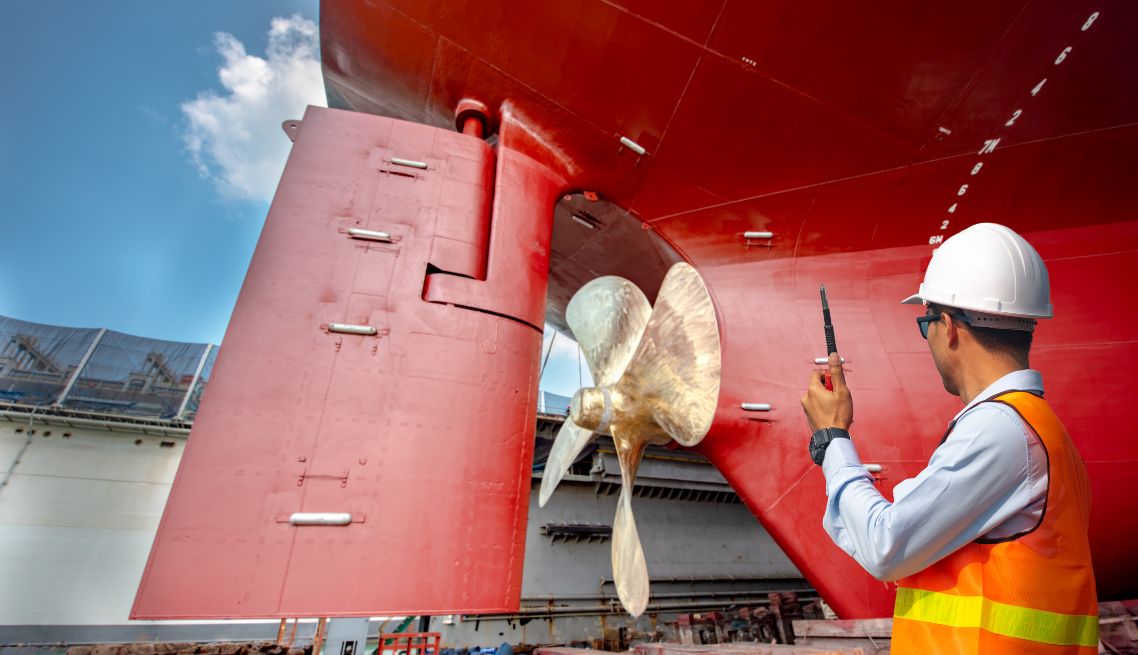
A hull and structural audit is one of the most critical processes within maritime inspections, as it allows for the evaluation of a vessel’s actual condition and ensures its safety, operability, and regulatory compliance. A well-maintained hull not only protects the shipowner’s investment but also prevents accidents, financial losses, and regulatory penalties.
What Is a Hull and Structural Audit?
A hull and structural audit is a key component in ensuring the safety, integrity, and efficiency of any vessel. Relying on specialists in maritime inspections makes it possible to anticipate risks, comply with regulations, and protect long-term investments.
A hull and structural audit is a detailed technical inspection that evaluates:
- The physical condition of the hull
- The vessel’s structural strength
- The presence of corrosion, deformations, or damage
- The quality of previous repairs
- Compliance with international maritime safety regulations
This type of audit is essential for both operational vessels and those involved in purchase, sale, financing, certification, or class renewal processes.
Importance of Structural Audits in the Maritime Industry
A proper structural inspection allows for:
- Detecting failures before they become major risks
- Ensuring the safety of the crew and cargo
- Complying with international regulations such as IMO, SOLAS, and classification society rules
- Optimizing maintenance and repair costs
- Extending the vessel’s service life
In today’s maritime environment, where safety and efficiency are top priorities, a hull audit is not optional but a strategic management tool.
Key Elements Evaluated in a Hull and Structural Audit
1. Hull Condition
- External and internal visual inspection
- Detection of corrosion, cracks, and dents
- Evaluation of protective coatings and anti-corrosion paint
2. Structural Integrity
- Review of frames, reinforcements, bulkheads, and welds
- Analysis of structural deformations
- Assessment of high-stress areas
3. Damage and Previous Repairs
- Verification of past repairs
- Quality of welds and reinforcements
- Compliance with technical standards
4. Critical Areas
- Ballast tanks
- Cargo holds
- Submerged areas and the waterline
When Is a Hull Audit Necessary?
A hull and structural audit is highly recommended in the following cases:
- Prior to the purchase or sale of a vessel
- For maritime appraisal processes
- Before classification society inspections
- After incidents, groundings, or collisions
- As part of a preventive maintenance program
- To meet insurance or financing requirements
Do you want to learn how to do Hull Audit?
.